
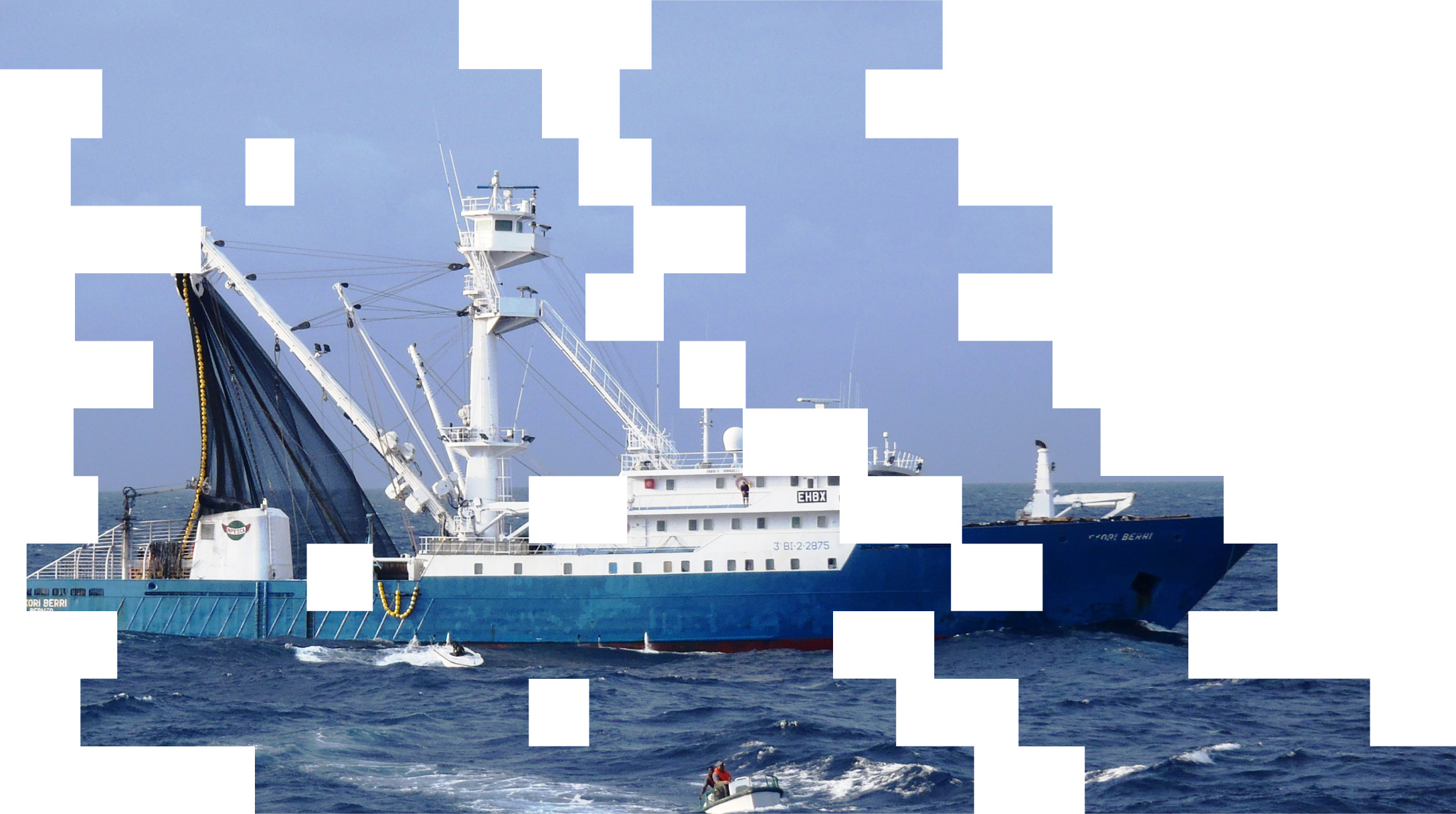
New publication sets the standard for trustworthy AI in marine research and management
A new article led by researcher José Fernandes (AZTI) has been published in Fish and Fisheries, providing a practical framework to ensure Artificial Intelligence (AI) applications in marine science are transparent, validated, and ethically grounded.
Titled “Towards Trustworthy Artificial Intelligence for Marine Research, Fisheries and Environmental Management”, the paper brings together a team of international researchers to address a key challenge in the digitalisation of ocean monitoring: how to ensure we can trust AI tools that are increasingly used to support decisions in fisheries management, ecosystem health assessments, and marine conservation.
The framework proposed in the paper is based on three pillars: socio-economic and legal viability, ethical data governance, and scientific robustness. It focuses on the importance of co-design with stakeholders, adherence to FAIR and CARE principles in data handling, and thorough model validation in real-world conditions.
“We are seeing a massive increase in the use of AI algorithms that process the vast streams of marine data – from cameras and sonar to satellite observations – but they often fail to meet expectations,” explains José A. Fernandes, lead author of the study. “The key question is: how much trust can we place in the AI algorithms? Given that AI is already a reality for the fishing and marine research sector, it will only be useful if it is trustworthy. Our work establishes how to ensure trustworthiness by combining science, ethics, and industry engagement.”
The publication aligns with OBAMA-NEXT’s objectives of advancing innovative tools for ecosystem monitoring and policy support. By offering a concrete guide for researchers, industry, and policymakers, this work strengthens the project’s role in shaping responsible digital innovation in marine science.
Read the article: https://doi.org/10.1111/faf.70052


